

|By Chinwendu Nwani
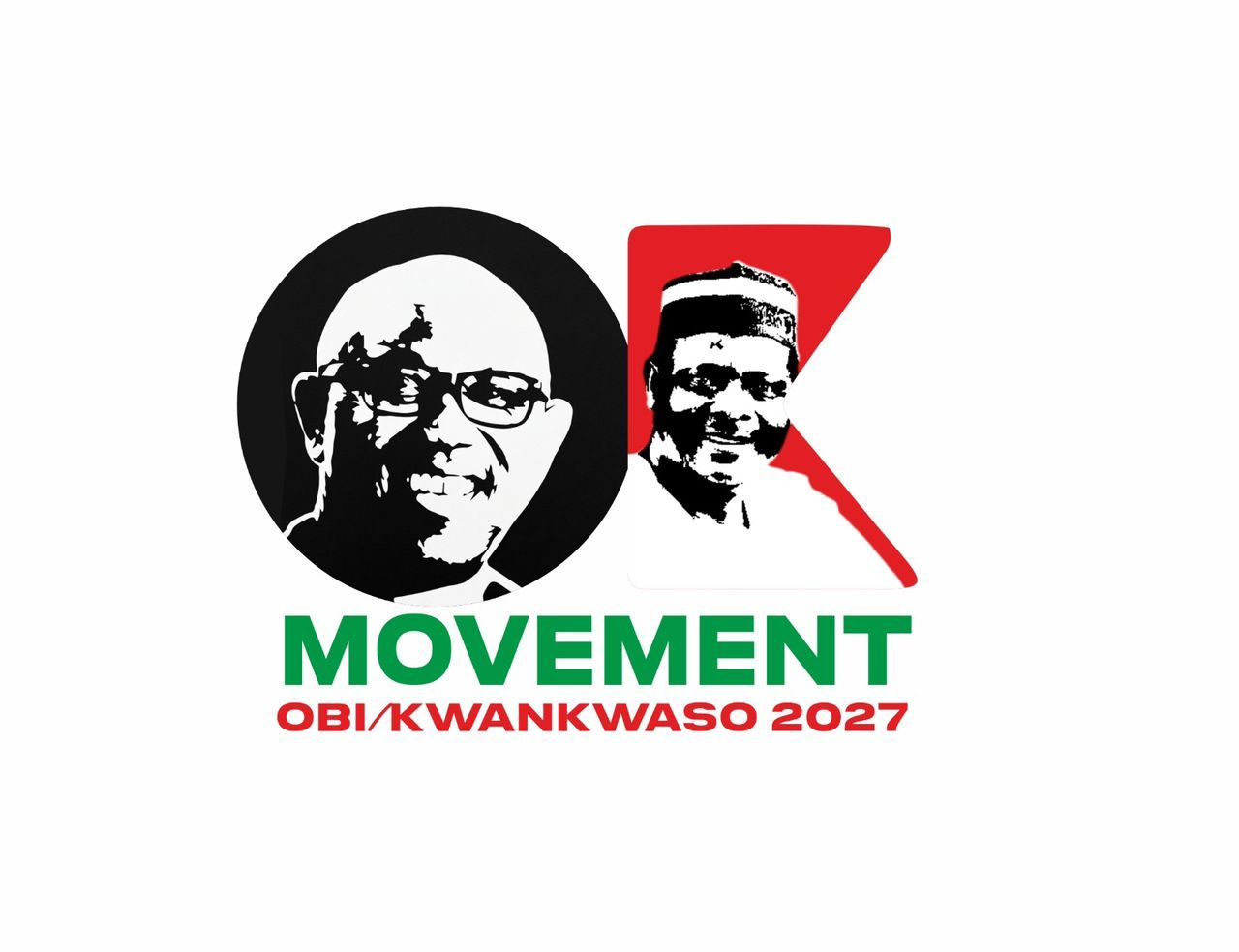
Supporters of Peter Obi and Rabiu Musa Kwankwaso have merged their political structures, launching a new force—the OK Movement—in a bold move aimed at reshaping Nigeria’s political landscape ahead of the 2027 presidential election.
The coalition, which formally unveiled its national and state structures, declared its mission to galvanise Nigerians across ethnic, regional, and religious divides, positioning itself as a formidable platform for national renewal.
In a statement signed by its National Publicity Secretary, Justin Ijeh, the movement stressed that rescuing Nigeria requires collective responsibility, not sectional interests.
“Nigeria stands at a defining crossroads,” the statement declared, pointing to deepening economic hardship, soaring living costs, and persistent insecurity as urgent triggers for action.
The group described its emergence as more than a political alignment, calling it “a coordinated, nationwide engine for systemic reform and national rebirth.”
Rallying citizens from grassroots communities to urban centres, the OK Movement vowed to confront economic decline, dismantle divisive politics, and restore accountable leadership.
Rejecting what it termed the “tired politics” of tribalism and religious sentiment, the coalition emphasized unity as its driving force.
“Our strength lies in our diversity, and our progress depends on our unity,” the statement read, adding that national transformation must be anchored on integrity, competence, and shared responsibility.
Drawing inspiration from the National Anthem of Nigeria, the movement framed its vision around building a country where justice, peace, and prosperity are accessible to all citizens—not just a privileged few.
It further positioned itself as a beacon of hope amid widespread public frustration, pledging to offer not just rhetoric, but a structured pathway toward economic stability and national cohesion.
“This is an open invitation to every Nigerian who believes that our current reality need not be our final destiny,” the statement concluded.
With structures now in place and mobilisation underway, the OK Movement appears set to intensify political competition and redefine alliances as Nigeria edges closer to the 2027 general elections.

