

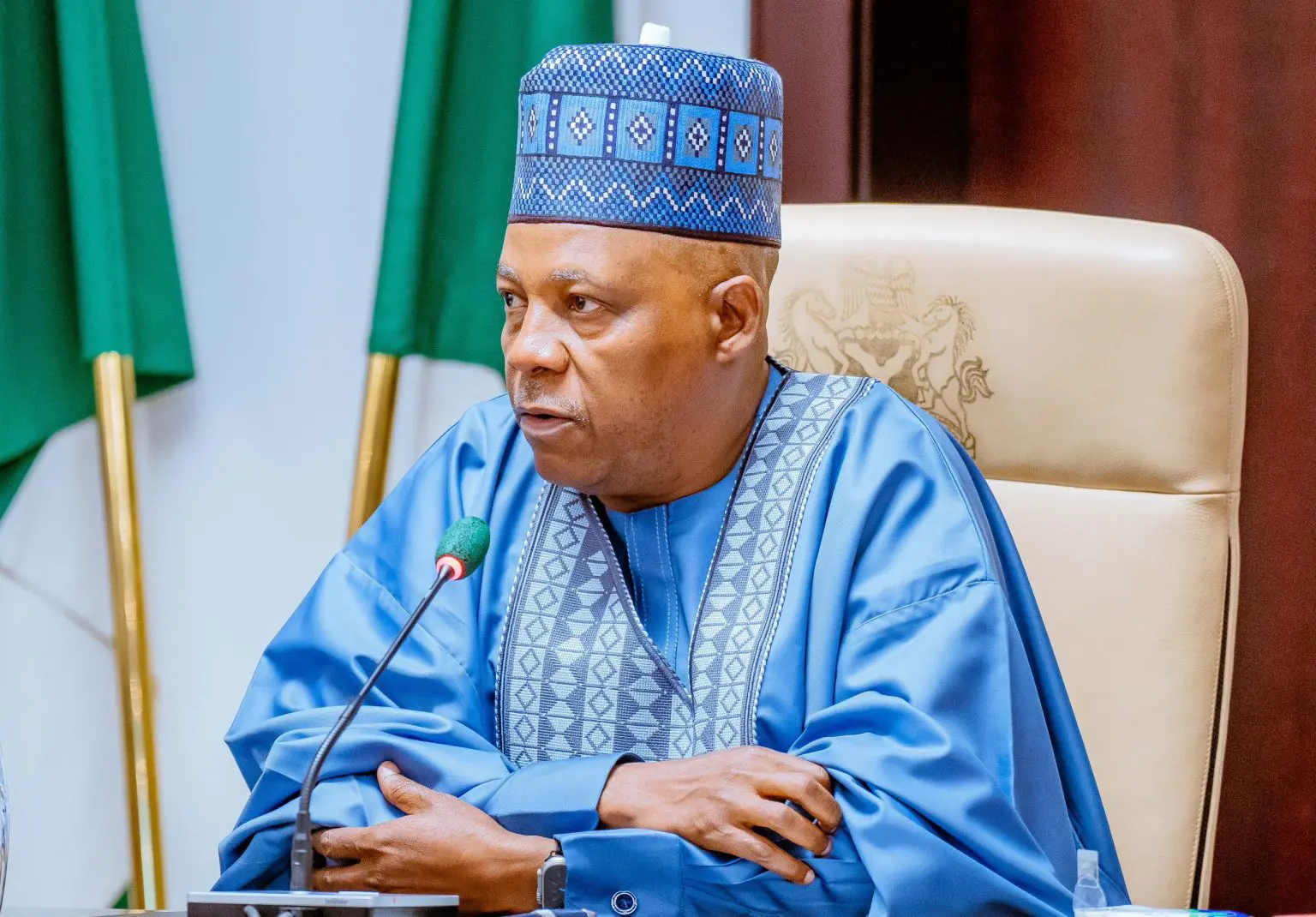
Vice President Kashim Shettima has said Nigeria has all the resources required to become one of the world’s wealthiest nations if it fully develops its agricultural and maritime sectors. Speaking at the Niger Delta Agricultural Development and Investment Summit in Abuja, he stressed that the country’s vast natural resources remain largely untapped despite their enormous economic potential.
“In this great nation of ours, we have no business being poor. We have the potential to be one of the richest countries in the world,” Shettima said. He explained that Nigeria agricultural development is key to unlocking sustainable economic growth and creating long-term prosperity.
The Vice President pointed to Indonesia’s success in the palm oil industry, noting that the country generated about $45 billion from crude palm oil exports in 2025. According to him, Indonesia earned more from palm oil than Nigeria realised from crude oil during the same period. He urged Nigeria to revive and expand oil palm cultivation, especially across the Niger Delta, to increase export earnings and strengthen the economy.
Shettima also highlighted the enormous opportunities within the region’s maritime industry. He said greater investment in mariculture, including fish farming, shellfish and crustacean production, would create jobs, improve livelihoods and contribute significantly to national economic growth.
Using cassava as another example, the Vice President noted that although Nigeria produces much more cassava than Thailand, the country earns far less because of lower productivity and limited value addition. He stressed the need to improve processing, increase yields and develop stronger value chains to maximise the benefits of Nigeria agricultural development.
Shettima said strategic investment in agriculture and maritime resources would help diversify the economy, reduce poverty and create lasting opportunities for millions of Nigerians. He maintained that Nigeria agricultural development remains one of the strongest pathways to national prosperity.
What practical steps should Nigeria take to unlock the full potential of its agriculture and maritime sectors?

