

By Babatunji Wusu
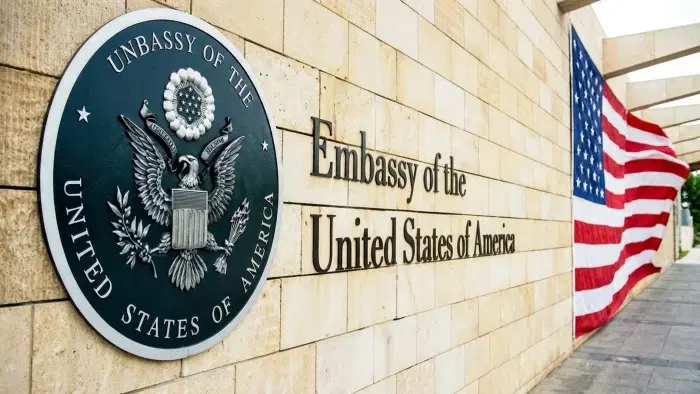
The U.S. Department of State has officially authorized the voluntary departure of non-emergency government employees and their families from the U.S. Embassy in Abuja. This directive, effective April 8, 2026, underscores a “deteriorating security situation” characterized by rising crime, terrorism, and civil unrest. While the embassy remains open for essential services, the move highlights an urgent shift in how the U.S. views the safety of its personnel and citizens currently in the country.
As part of this update, the Embassy has classified 23 Nigerian states as Level 4: Do Not Travel, the highest risk level. The advisory warns that these areas are plagued by inter-communal violence, roadside banditry, and kidnapping for ransom. Additionally, U.S. officials pointed to inconsistent healthcare standards and the targeted nature of crimes against foreigners as key factors in the escalation.
States Classified as “Level 4: Do Not Travel”
Newly Added High-Risk States:
-
Plateau
-
Jigawa
-
Kwara
-
Niger
-
Taraba
Northern & North Central (Terrorism & Kidnapping):
-
Borno
-
Yobe
-
Kogi
-
Adamawa (Northern parts)
-
Bauchi
-
Gombe
-
Kaduna
-
Kano
-
Katsina
-
Sokoto
-
Zamfara
Southern & South Eastern (Crime & Armed Gangs):
-
Abia
-
Anambra
-
Bayelsa
-
Delta
-
Enugu
-
Imo
-
Rivers (All areas except the city of Port Harcourt)
The State Department recommends that all Americans still in Nigeria enroll in the Smart Traveler Enrollment Program (STEP) for real-time security alerts. Furthermore, citizens are advised to have “proof of life” protocols and personal emergency plans that do not rely on U.S. government assistance.
Given the authorization for embassy staff to depart, do you think other diplomatic missions in Abuja will soon follow suit with similar security measures?
Follow us for more

