

By Babatunji Wusu
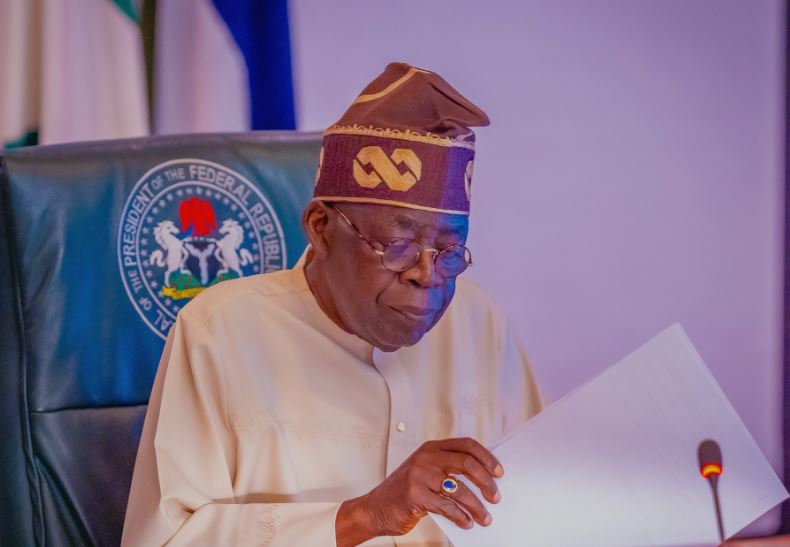
Nigeria’s total public debt is on track to hit an estimated ₦155.1 trillion following the swift legislative approval of President Bola Tinubu’s request for a fresh $6 billion loan. In a remarkably fast-tracked session, the Nigerian Senate cleared the borrowing plan within hours of its presentation. Using an exchange rate of ₦1,400 to the dollar, this new credit facility is expected to add approximately ₦8.4 trillion to the national debt stock, which concluded 2025 at ₦146.69 trillion.
The borrowing plan is divided into two strategic windows. The largest portion involves a $5 billion structured financing arrangement with the First Abu Dhabi Bank in the United Arab Emirates. This facility, backed by naira-denominated government securities, is intended to provide critical budget support, fund infrastructure projects, and refinance existing debts. President Tinubu emphasized that these funds are essential for the government to meet its urgent financial obligations and stabilize the economy during a period of transition.
Additionally, a $1 billion loan has been secured through the United Kingdom’s export finance scheme via Citibank London. This specific investment is earmarked for the total rehabilitation of the Lagos Port Complex and Tin Can Island Port. By modernizing these hubs, the government aims to drastically reduce port congestion, improve trade efficiency, and bring Nigeria’s maritime infrastructure up to international standards.
While the Senate Committee on Local and Foreign Debts, led by Senator Aliyu Wammakko, endorsed the move as a necessity for growth, financial analysts remain cautious. There are growing concerns that escalating debt levels—with service obligations already consuming roughly 60% of revenue—could heighten foreign exchange risks. As the government moves forward with these ambitious projects, the focus shifts to ensuring that these borrowed funds translate into tangible economic stability.
Do you believe that prioritizing the modernization of Lagos ports will generate enough revenue to offset the burden of this new multi-billion dollar debt?
Follow us for more

